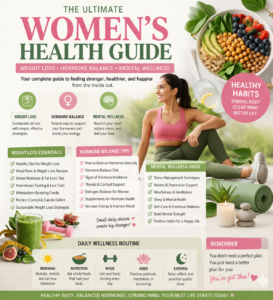
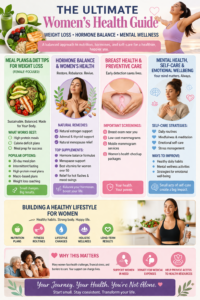
The Best Foods to Eat: Nourish Your Body, Fuel Your Life
Eating well isn’t just about filling your stomach—it’s about feeding your body, boosting energy, and supporting long-term health. The foods you choose impact everything from your heart and brain to your mood and immunity.
In this guide, we’ll explore the best foods to eat for overall health, specific age groups, and practical ways to incorporate them into your daily routine.
Fresh Vegetables: Nature’s Nutrient Powerhouses
Vegetables are loaded with vitamins, minerals, fiber, and antioxidants. Eating a wide variety of colors helps your body get the nutrients it needs to fight disease and maintain energy.
Top choices:
Dark leafy greens: spinach, kale, swiss chard
Cruciferous vegetables: broccoli, cauliflower, Brussels sprouts
Bright vegetables: bell peppers, carrots, beets
Allium vegetables: garlic, onions, leeks
💡 Tip: Steam, roast, or sauté vegetables lightly to preserve nutrients, and aim to fill half your plate with them at each meal.
🥩 Protein: The Building Blocks of Health
Protein is essential for muscle repair, hormone production, and energy. Choose high-quality sources that fit your lifestyle.
Best options:
Lean meats: chicken, turkey, lean beef
Fish and seafood: salmon, sardines, tuna (rich in omega-3s)
Plant-based: beans, lentils, tofu, tempeh, quinoa
Dairy or alternatives: Greek yogurt, eggs, cottage cheese
💡 Tip: Include a source of protein at every meal to stabilize blood sugar and keep you full longer.
🥔 Whole Grains: Energy That Lasts
Whole grains provide complex carbohydrates and fiber, giving you steady energy throughout the day while supporting digestive health.
Top picks:
Brown rice, quinoa, bulgur, barley
Whole-grain bread, pasta, and cereals
Oats (perfect for breakfast or smoothies)
💡 Tip: Swap refined grains for whole grains whenever possible for better blood sugar control and heart health.
🥜 Healthy Fats: Fuel and Protection
Healthy fats are vital for brain health, hormone balance, and absorbing fat-soluble vitamins (A, D, E, K).
Best sources:
Nuts and seeds: almonds, walnuts, chia, flax
Avocados
Olive oil or other cold-pressed oils
Fatty fish: salmon, mackerel, sardines
💡 Tip: Include a small portion of healthy fats in every meal to improve satiety and heart health.
🍓 Fruits: Sweet Nutrition
Fruits are packed with vitamins, fiber, and antioxidants. They’re nature’s dessert—sweet, satisfying, and nourishing.
Top picks:
Berries: blueberries, strawberries, raspberries (high in antioxidants)
Citrus: oranges, grapefruits, lemons (rich in vitamin C)
Apples, pears, bananas (great for fiber and energy)
💡 Tip: Eat whole fruits instead of juice to get the fiber benefits and avoid blood sugar spikes.
💧 Hydration: The Often Overlooked Nutrient
Water is essential for every function in your body, from digestion to temperature regulation. Most people underestimate how much water they need.
Hydration tips:
Drink at least 6–8 glasses of water daily
Include herbal teas or infused water for variety
Eat water-rich foods: cucumbers, watermelon, oranges, soups
🧓 Foods for Longevity and Specific Needs
Different stages of life require tailored nutrition:
For seniors: easy-to-digest foods like oatmeal, soups, soft fruits, and lean protein.
For children: nutrient-dense foods that support growth, such as eggs, milk, fruits, vegetables, and whole grains.
For active adults: complex carbs for energy, protein for recovery, and plenty of hydration.
🌱 Practical Tips for Healthy Eating
Color your plate: More colors = more nutrients.
Plan meals ahead: Reduces reliance on processed foods.
Cook at home: Gives you control over salt, sugar, and fat.
Snack smart: Nuts, fruits, or yogurt instead of chips or candy.
Listen to your body: Eat when hungry, stop when satisfied.
🥗 Feed Your Body, Fuel Your Life
Eating well is a lifelong investment. By focusing on fresh vegetables, whole grains, lean protein, healthy fats, and hydration, you can boost energy, improve immunity, and enhance mental clarity.
Remember, nutrition is not about restriction—it’s about choosing foods that nourish your body and mind, and enjoying the process along the way.
When people think of donating food, they often reach for canned goods or dry pasta. While those are helpful, there are better, more nutritious options that can truly support families in need, especially children and seniors.
In this post, we’ll explore the best types of food to donate or fundraise for, why nutrition matters, and how you can make a meaningful impact.
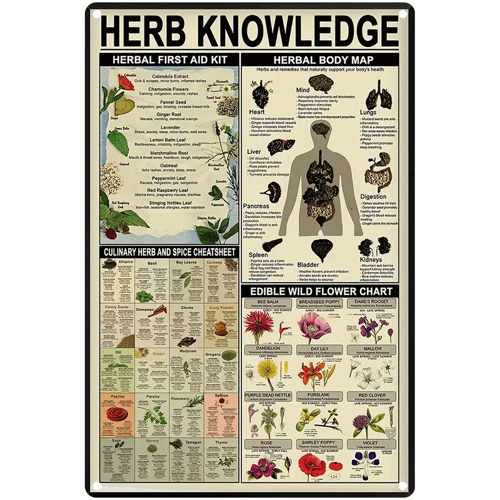
Shelf-Stable AND Nutritious
Not all non-perishables are created equal. Focus on food items that are:
High in protein (like canned beans, tuna, or chicken)
Low in added sugars and sodium
Rich in fiber and nutrients
Top choices:
Brown rice, oats, whole grain pasta
Canned vegetables (low-sodium)
Shelf-stable milk or nut milk
Canned fruit in 100% juice
Peanut butter or almond butter
Lentils, chickpeas, black beans
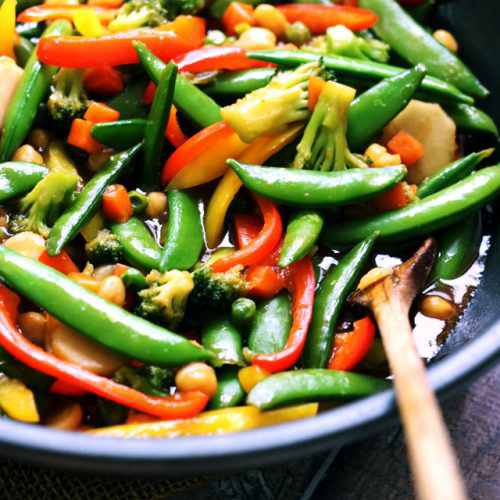
Fresh When Possible
While not always easy, fresh produce and frozen foods are gold for families lacking regular access to grocery stores.
If you can fundraise instead of donate directly, consider:
Grocery store gift cards
CSA box subscriptions
Local food bank partnerships
Funds toward fresh fruits, eggs, or lean meats
These options help families access fresh, perishable items they often can’t afford.
Start with a Good Breakfast.
Child-Friendly Options
When feeding children, nutrition is crucial for development. Focus on:
No-sugar-added applesauce or fruit cups
Whole grain cereals
Shelf-stable yogurt pouches
Granola bars (low sugar, high fiber)
Baby formula or toddler snacks (if needed)
Always check expiration dates and avoid items with allergens unless labeled clearly.
Foods for Seniors
Seniors often have dietary restrictions or difficulty preparing food. Helpful donations include:
Instant oatmeal
Low-sodium soups
Easy-open containers
Soft snacks (applesauce, pudding)
Nutritional drinks (like Ensure)
Try to avoid ultra-spicy or hard-to-chew foods unless requested.
Don’t Forget Hygiene & Extras
People in need also benefit from:
Bottled water
Cooking oil, salt, pepper
Tea bags or instant coffee
Baby wipes, toothpaste, and soap
Menstrual hygiene products
These extras go a long way toward restoring dignity alongside nutrition.
How You Can Help Right Now
You can make a bigger difference by starting a food-focused fundraiser with Fundraising Cup:
Raise funds for grocery gift cards
Support a local pantry
Sponsor healthy meals for kids
Help feed low-income families in your area
Even a small amount can provide real nourishment and hope.
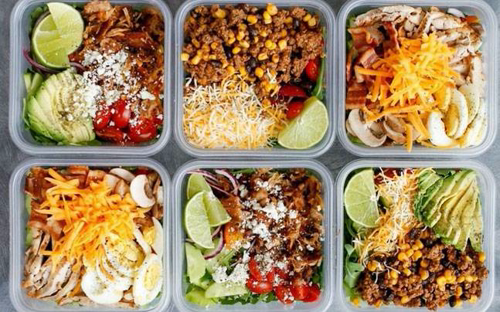
Feed Bodies, Fuel Futures
Good food means better health, better school performance, and a brighter future — especially for kids in struggling homes. Whether you’re donating, organizing a food drive, or starting a fundraiser, every item counts.
Let’s give not just food — but nutrition, respect, and love.