
The Current Landscape of Modern Healthcare
The advancements in modern healthcare have drastically reshaped the landscape of medical access and treatment options, particularly in developed nations. The integration of technology and healthcare systems has resulted in significant improvements in health outcomes across various demographics. Innovations such as telemedicine, electronic health records, and mobile health applications have made it easier for individuals to seek medical advice, schedule appointments, and manage their health remotely. This level of accessibility, paired with a wealth of online resources, has led to more efficient healthcare delivery and heightened patient satisfaction. Furthermore, preventive care initiatives have flourished, positively influencing public health through early intervention and increased awareness of health issues.

However, this narrative of convenience sharply contrasts with the realities faced by children in Africa, where access to healthcare services remains limited and fraught with challenges. Many regions continue to struggle with inadequate infrastructure, limited medical supplies, and a shortage of trained healthcare professionals. In remote areas, children often experience long travel distances to reach medical facilities, resulting in delayed treatments and poorer health outcomes. The disparity in healthcare access is stark, with many preventable diseases significantly impacting the health and development of young lives across the continent.
The challenge of connecting Africa’s children with essential healthcare reflects a broader global issue. While advancements in developed nations have advanced medical access and boosted overall health standards, those same benefits are not translated uniformly worldwide. It is imperative to recognize this inequity and advocate for solutions that bridge the gap in healthcare access. Only by addressing these disparities can we foster an inclusive approach to health that prioritizes the well-being of every child, irrespective of their geographical location. Thus, transforming convenience into compassion becomes not just a goal, but a necessity for the global community.
The Impact of Supporting Children in Africa
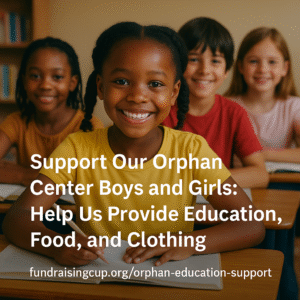
The impact of supporting children in Africa is profound and multifaceted, affecting not only the recipients but also contributing to the broader community. Initiatives aimed at supporting African children address critical needs such as access to food, clean water, medical care, and education. These essential resources are often scarce in many regions, making voluntary contributions crucial for survival and development. For instance, a donation as small as $10 can provide a week’s worth of meals for a child, highlighting that every contribution, regardless of size, is significant.
Access to clean water is fundamental, with thousands of children lacking reliable sources. Organizations focused on improving water access have established wells and sanitation systems, drastically reducing waterborne diseases. Medical care is another critical area where support can transform lives; vaccinations and basic healthcare can prevent illnesses that would otherwise claim the lives of vulnerable children. For example, in regions where healthcare facilities are limited, outreach programs help bring medical attention to those in need, potentially saving lives and improving health outcomes.
Education is arguably one of the most transformative aspects. Support for educational initiatives not only provides children with the knowledge and skills they need but also instills hope for a brighter future. In many cases, children who receive an education can break the cycle of poverty within their families, empowering future generations. Personal stories from beneficiaries often reflect the immense difference education can make. A girl who once could only dream of attending school may grow up to become an advocate for her community, illustrating the potential of investment in these children’s futures.
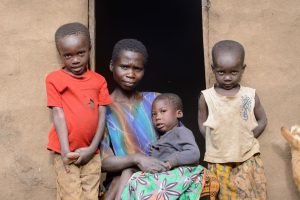
Overall, the impact of assisting Africa’s children extends beyond immediate aid. It fosters sustainable community development and cultivates a sense of global responsibility by inspiring others to get involved. The collective effort can create a ripple effect of positive change, demonstrating that compassion truly transforms convenience into meaningful action.
The Ripple Effect of Small Acts of Giving
In the realm of philanthropy, the concept of the ‘ripple effect’ underscores the profound impact that small acts of giving can have on communities, particularly in the context of supporting Africa’s children. Each contribution, no matter how seemingly insignificant, has the potential to create waves of change that extend far beyond the initial act. When a child receives basic necessities—such as food, education, or healthcare—it not only ensures their immediate survival but also lays the foundation for future opportunities. Healthy, educated children grow up to be productive members of society, capable of uplifting their communities and breaking the cycle of poverty.
Consider the implications of a single donation. For instance, a small contribution to a local charity can help fund a school lunch program. This program not only nourishes hungry children but also enhances their ability to focus and learn, thereby improving their educational outcomes. As these children excel in school, they are more likely to pursue higher education and vocational training. Ultimately, this progression fosters a generation of informed individuals who can contribute to their communities in meaningful ways, catalyzing broader social and economic development.
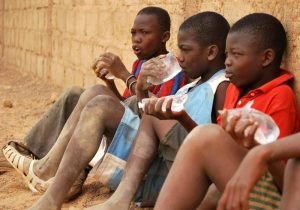
Moreover, the act of giving cultivates a culture of philanthropy within communities. As individuals witness the tangible benefits resulting from small donations, it can inspire them to engage in charitable actions themselves. This chain reaction strengthens social ties among community members and promotes a sense of collective responsibility towards the welfare of children. Each act, whether it be volunteering time, donating resources, or simply spreading awareness about educational needs, contributes to a larger narrative of compassion and solidarity.
In considering the ripple effect, it becomes clear that every little bit of support counts. Small acts of giving not only change individual lives but also initiate transformations within entire communities. As we reflect on our role in philanthropy, it is essential to recognize the far-reaching impacts of our contributions, no matter how minor they may seem at first glance.
Join the Movement: How to Make a Difference
As we navigate through our busy lives, it is essential to take a moment to reflect on how our actions can positively impact the world around us. One indispensable way to contribute to the well-being of children in Africa is to actively participate in initiatives that aim to uplift their lives. By engaging with existing programs or starting new initiatives, individuals and groups can bring about significant changes.
One effective method of support is through financial contributions. Many charities work tirelessly to provide essential resources, educational opportunities, and healthcare for children in need. Websites like fundraisingcup.org serve as platforms for you to donate securely, ensuring that your contributions reach those who need them the most. Whether you choose to make a one-time donation or set up a recurring contribution, every bit counts. The more people who join this compassionate effort, the greater the cumulative effect on the lives of countless children.
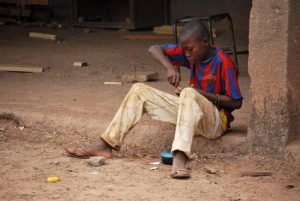
Moreover, raising awareness about these initiatives is equally important. Sharing information within your community through social media platforms, community events, or even word of mouth can galvanize others to join the cause. By advocating for children in Africa, we not only inform others but also foster a sense of global solidarity that encourages collective action. You can also volunteer your time and skills, supporting local organizations that focus on these programs. Your involvement could range from fundraising activities to logistical support, helping to bring about solutions tailored to the specific needs of the communities served.
In conclusion, your role in this movement can be impactful, providing a bridge of compassion between those in affluent circumstances and children facing challenging realities in Africa. By coming together and taking action, we can transform convenience into genuine care, making a lasting difference in the lives of those who need it most. Joining this movement offers an opportunity for you to extend your health-related concerns into broader humanitarian efforts that can truly change lives.