Women’s Health and Wellness Guide: Awareness, Nutrition, Mental Health and Future Trends
Women’s health is evolving rapidly as awareness, research, and innovation reshape how women care for their bodies and minds. A modern women’s health and wellness guide focuses not only on treating illness but also on prevention, lifestyle, and long-term wellbeing.
From mental health for women to nutrition tips for women, understanding the foundations of wellness empowers women to make informed decisions about their health. As knowledge spreads and access to resources improves, women are gaining more control over their health outcomes than ever before.
Today, women have access to more tools and resources than ever before—credible online health platforms, telemedicine, wearable health devices, and community-based education initiatives. These resources help women track cycles, monitor mental health, understand nutritional needs, and recognize early warning signs of disease.
Beyond individual awareness, advocacy plays a critical role. When women speak up—through community action, policy engagement, or storytelling—systems change. Advocacy has already driven progress in maternal health reform, workplace wellness policies, and funding for women-specific research. Awareness doesn’t just inform; it transforms.
Women’s Health Awareness: Understanding the Importance of Women’s Health
Awareness is the foundation of progress in women’s healthcare. When women understand their bodies, risk factors, and symptoms, they are better equipped to seek treatment early and make proactive decisions about their wellbeing.
Too often, symptoms affecting emotional or physical wellness are dismissed or normalized. Many women accept chronic fatigue, hormonal changes, or discomfort as “just part of life.” Education helps break this cycle and encourages women to prioritize their health.
Awareness is the foundation of progress in women’s healthcare. When women understand their bodies, risk factors, and symptoms, they are better equipped to seek treatment early and make proactive decisions about their wellbeing.
Too often, symptoms affecting emotional or physical wellness are dismissed or normalized. Many women accept chronic fatigue, hormonal changes, or discomfort as “just part of life.” Education helps break this cycle and encourages women to prioritize their health.
Healthy Lifestyle Tips for Women
A healthy lifestyle for women is built on consistent habits that support both physical and emotional wellbeing.
Some of the most effective wellness tips for women include:
- Maintaining regular physical activity
- Eating a balanced and nutritious diet
- Prioritizing quality sleep
- Practicing mindfulness and relaxation techniques
- Building supportive relationships
Exercise plays an essential role in overall wellness. Regular movement supports cardiovascular health, strengthens bones, improves metabolism, and boosts mood.
Sleep is another critical factor. Poor sleep can increase stress, reduce immune function, and negatively affect mental health.
Practicing self-care for women also helps reduce stress and improve emotional balance. Activities such as meditation, journaling, spending time outdoors, and connecting with supportive communities all contribute to long-term wellbeing.
By adopting healthy habits and maintaining a balanced lifestyle, women can improve both physical health and emotional resilience.
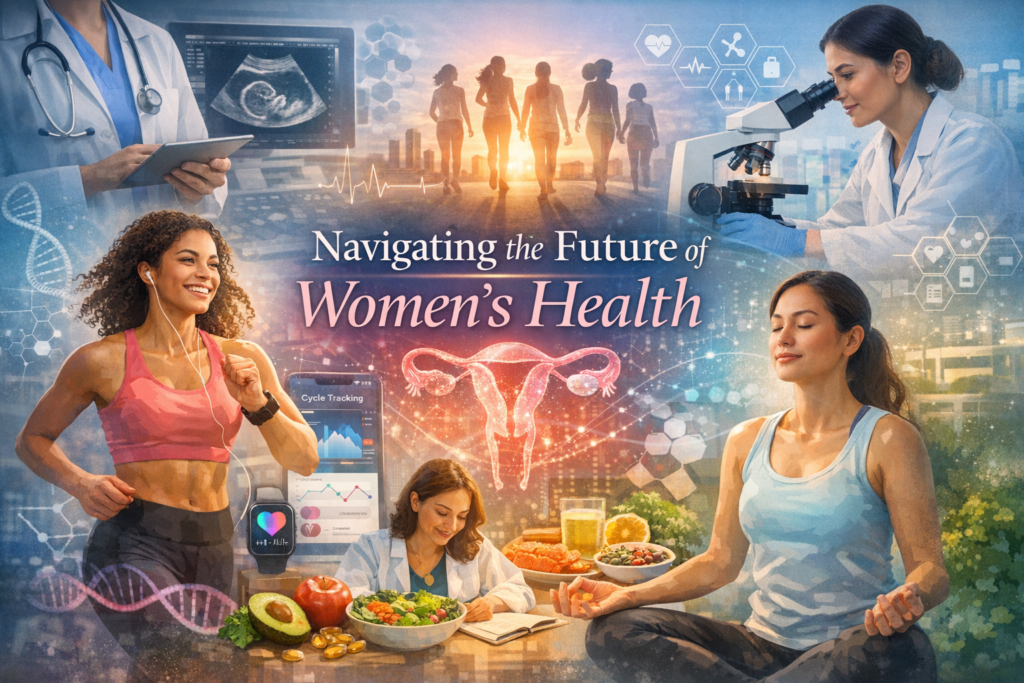
Future Trends in Women’s Health and Wellness is accelerating this shift. From AI-powered fitness apps and hormone-tracking tools to virtual therapy platforms and wearable stress monitors, technology is making wellness more personalized and accessible. These advancements allow women to integrate health care into real life—not the other way around.
Nourishing the Body: The Women’s Health Diet
Nutrition is deeply personal and profoundly impactful. Women’s bodies have unique nutritional needs influenced by menstruation, pregnancy, menopause, and aging. Iron, calcium, folate, protein, and healthy fats play critical roles at different stages of life, yet many diets fail to account for these shifting requirements.
Adapting nutrition to life stages and health goals is essential—whether supporting fertility, managing hormonal changes, maintaining bone health, or preventing chronic disease. The future of women’s nutrition lies in personalization: data-driven meal planning, microbiome research, and functional foods designed to support hormonal and metabolic health.
Awareness is the foundation of progress in women’s health care. When women understand their bodies, risk factors, and symptoms, they are better equipped to seek treatment early and make proactive decisions about their wellbeing.
Too often, symptoms affecting women’s emotional health or physical wellness are dismissed or normalized. Many women accept chronic discomfort, fatigue, or hormonal changes as “just part of life.” Education helps break this cycle and encourages women to prioritize their health.
Today, women have access to more resources than ever before. Online platforms, telemedicine, and wearable technology help women track cycles, monitor women’s wellbeing, and identify early warning signs of health concerns.
Advocacy also plays a key role in improving women’s health and wellness. Community action, policy engagement, and public awareness campaigns have driven progress in maternal health care, workplace wellness programs, and funding for women-specific medical research.
Innovations in health education and community support are shaping the future trends in women’s health, making information more accessible and empowering women to take control of their wellbeing.
Emerging innovations, including personalized supplements and nutrition-tracking technology, promise to move beyond one-size-fits-all advice. Instead, women can expect dietary guidance that aligns with their biology, lifestyle, and long-term health goals.
Nutrition is one of the most powerful tools for supporting women’s health. A balanced diet provides the nutrients necessary for hormonal balance, energy levels, and long-term wellbeing.
Women’s nutritional needs change throughout life. Menstruation, pregnancy, menopause, and aging all influence dietary requirements.
Key nutrients that support a healthy women’s diet include:
- Iron – supports energy and oxygen transport
- Calcium – strengthens bones and teeth
- Folate – supports reproductive health
- Protein – maintains muscle and metabolism
- Healthy fats – support hormone balance
Understanding the best foods for women’s health allows individuals to adapt their diets to their unique needs and life stages.
Future innovations in nutrition include personalized meal planning, microbiome reNutrition is one of the most powerful tools for supporting women’s health. A balanced diet provides the nutrients necessary for hormonal balance, energy levels, and long-term wellbeing.
Women’s nutritional needs change throughout life. Menstruation, pregnancy, menopause, and aging all influence dietary requirements.
Key nutrients that support a healthy women’s diet include:
- Iron – supports energy and oxygen transport
- Calcium – strengthens bones and teeth
- Folate – supports reproductive health
- Protein – maintains muscle and metabolism
- Healthy fats – support hormone balance
Understanding the best foods for women’s health allows individuals to adapt their diets to their unique needs and life stages.
Future innovations in nutrition include personalized meal planning, microbiome research, and functional foods designed to support hormonal and metabolic health.
Women’s Nutrition and Diet: Essential Foods for Women’s Health
Nutrition is one of the most powerful tools for improving women’s health. A balanced healthy diet for women provides the nutrients necessary to support hormonal balance, energy levels, and long-term health.
Because women’s bodies change throughout life, women’s nutrition needs also evolve. Menstruation, pregnancy, menopause, and aging influence dietary requirements.
Key nutrients that support a healthy women’s health diet include:
- Iron for energy and oxygen transport
- Calcium for bone health
- Folate for reproductive health
- Protein for muscle maintenance
- Healthy fats for hormone balance
Understanding the best foods for women’s health allows women to tailor their diets to their individual needs and life stages.
Mental Health for Women: Supporting Emotional and Psychological
Mental health is one of the most important pillars of women’s health. Studies show women experience higher rates of stress, anxiety, and depression due to biological factors and social pressures.
Improving women’s mental health requires a holistic approach that includes lifestyle changes, therapy, social support, and effective stress management for women.
Daily habits can significantly improve emotional wellness. Activities such as exercise, mindfulness meditation, and supportive community networks promote resilience and emotional balance.
Practicing self care for women is also essential. Taking time for rest, hobbies, and relaxation helps reduce burnout and improve mental clarity.
Technology is also transforming mental health for women. Virtual therapy platforms, AI-powered wellness apps, and wearable stress monitors provide accessible tools that support emotional wellbeing and help women manage daily challenges more effectively.
Mental Health for Women: Supporting Emotional and Psychological
Nutrition is one of the most powerful tools for improving women’s health. A balanced healthy diet for women provides the nutrients necessary to support hormonal balance, energy levels, and long-term health.
Because women’s bodies change throughout life, women’s nutrition needs also evolve. Menstruation, pregnancy, menopause, and aging influence dietary requirements.
Key nutrients that support women’s health diet include:
- Iron for energy and oxygen transport
- Calcium for bone health
- Folate for reproductive health
- Protein for muscle maintenance
- Healthy fats for hormone balance
Understanding the best foods for women’s health allows women to tailor their diets to their individual needs and life stages.
Future innovations in nutrition for women include personalized meal planning, microbiome research, and functional foods designed to optimize hormonal and metabolic health.
Nourishing the Body: The Women’s Health Diet
Nutrition is one of the most powerful tools for supporting women’s health. A balanced diet provides the nutrients necessary for hormonal balance, energy levels, and long-term wellbeing.
Women’s nutritional needs change throughout life. Menstruation, pregnancy, menopause, and aging all influence dietary requirements.
Key nutrients that support a healthy women’s diet include:
- Iron – supports energy and oxygen transport
- Calcium – strengthens bones and teeth
- Folate – supports reproductive health
- Protein – maintains muscle and metabolism
- Healthy fats – support hormone balance
Understanding the best foods for women’s health allows individuals to adapt their diets to their unique needs and life stages.
Future innovations in nutrition include personalized meal planning, microbiome research, and functional foods designed to support hormonal and metabolic health.
Healthy Lifestyle Habits for Women
A healthy lifestyle is built on consistent habits that support both physical and emotional wellbeing.
Some of the most effective wellness practices include:
- Maintaining regular physical activity
- Prioritizing quality sleep
- Practicing mindfulness and relaxation techniques
- Building supportive relationships
- Following a balanced diet
Exercise strengthens the heart, improves bone density, and enhances mental clarity. Combined with proper nutrition and emotional support, these habits create a strong foundation for long-term health.
Many women are also exploring holistic health approaches that combine traditional medicine with lifestyle practices designed to improve overall wellbeing.
This approach focuses on prevention, balance, and sustainable improvements rather than short-term fixes.
Healthy Lifestyle Tips for Women
A healthy lifestyle for women is built on consistent habits that support both physical and emotional wellbeing.
Some of the most effective wellness tips for women include:
- Maintaining regular physical activity
- Eating a balanced and nutritious diet
- Prioritizing quality sleep
- Practicing mindfulness and relaxation techniques
- Building supportive relationships
Exercise plays an essential role in overall wellness. Regular movement supports cardiovascular health, strengthens bones, improves metabolism, and boosts mood.
Sleep is another critical factor. Poor sleep can increase stress, reduce immune function, and negatively affect mental health.
Practicing self-care for women also helps reduce stress and improve emotional balance. Activities such as meditation, journaling, spending time outdoors, and connecting with supportive communities all contribute to long-term wellbeing.
By adopting healthy habits and maintaining a balanced lifestyle, women can improve both physical health and emotional resilience.
Future Trends in Women’s Health and Wellness
The future of women’s health is being shaped by innovation, technology, and scientific research.
Emerging trends include:
- Personalized medicine based on genetic data
- AI-driven health monitoring tools
- Digital mental health platforms
- Advanced hormone tracking technologies
- Personalized nutrition and supplements
These advancements are transforming how women access care and empowering them to manage their health more effectively.
The next generation of healthcare will likely focus on prevention, accessibility, and personalized treatment strategies designed to support long-term wellbeing.
These innovations are helping women better understand their bodies and make data-driven health decisions.
Technology is also making healthcare more accessible. Virtual care platforms allow women to consult with healthcare professionals from home, while wearable devices help monitor stress, sleep, heart health, and activity levels.
As research continues to advance, healthcare systems are shifting toward prevention and personalized treatment strategies designed to support long-term women’s wellbeing.
Conclusion: Charting the Path of Empowering the Future of Women’s Health
The future of women’s health is defined by empowerment, education, and innovation.
When women prioritize awareness, adopt healthy lifestyle habits, and advocate for better health systems, they create lasting change not only for themselves but for future generations.
By embracing women’s health tips, focusing on women’s mental health, and adopting a healthy lifestyle for women, every woman can take meaningful steps toward long-term wellness.
The path forward is one of knowledge, prevention, and empowerment—where women are active participants in shaping the future of health.
The future of women’s health is not defined by a single breakthrough but by a collective shift toward awareness, equity, and innovation. From improved education and advocacy to lifestyle integration and personalized nutrition, women are gaining tools to take control of their health like never before.
Implementing this knowledge starts small—listening to your body, seeking credible information, prioritizing mental and physical well-being, and supporting initiatives that advance women’s health research and access. Every informed choice contributes to a healthier future.
Looking ahead, women’s health will continue to evolve toward precision, inclusivity, and prevention. The path forward is one of empowerment—where women are not passive recipients of care, but active leaders in shaping the future of health for generations to come. Every step toward awareness and prevention contributes to a healthier future for women everywhere.
Mental Health for Women: Supporting Emotional and Psychological
Mental Health for Women: Supporting Emotional and Psychological
The most important women’s health tips include maintaining a healthy diet, exercising regularly, managing stress, prioritizing sleep, and scheduling regular medical checkups.
Mental Health for Women: Supporting Emotional and Psychological
The most important women’s health tips include maintaining a healthy diet, exercising regularly, managing stress, prioritizing sleep, and scheduling regular medical checkups.
Why is mental health important for women?
Mental health plays a major role in overall wellbeing. Managing stress, seeking therapy when needed, and practicing self-care can significantly improve emotional and physical health.
What foods are best for women’s health?
The best foods for women’s health include leafy greens, whole grains, lean proteins, fruits, nuts, seeds, and foods rich in calcium and iron.
What are future trends in women’s health?
Future trends include personalized nutrition, hormone tracking technology, AI health apps, and improved research focused on women’s medical needs.