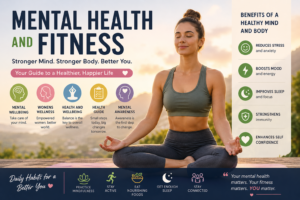
Women’s health is more than doctor visits and diagnoses—it’s about how you feel every day, mentally, emotionally, and physically.
From stress and anxiety to hormonal changes and burnout, millions of women face challenges that often go unspoken. The good news? Small, consistent steps can make a real difference.
This guide shares practical, research-backed ways to improve mental health, build self-care habits, and support overall well-being.
🧠 Mental Health Matters More Than Ever After 50. Healthy Aging Starts with Understanding Your Body.
Studies from organizations like the World Health Organization show that women are more likely to experience anxiety and depression due to factors like stress, caregiving responsibilities, and hormonal changes. Thriving After 50: Going Beyond the Basics of Women’s Health.
📱 Telemedicine: Transforming Women’s Healthcare After 50
As women enter their 50s and beyond, regular healthcare becomes increasingly important—but getting to multiple appointments isn’t always easy. Between busy schedules, caregiving responsibilities, transportation challenges, or living in rural communities, many women delay preventive care. Telemedicine is helping change that by making healthcare more accessible from the comfort of home. Through secure video visits, phone appointments, and online patient portals, women can consult primary care physicians, gynecologists, mental health professionals, endocrinologists, nutritionists, and other specialists without the need for frequent travel. The U.S. Department of Health and Human Services and the National Institute on Aging note that telehealth can improve access to care for older adults, particularly those managing chronic conditions or mobility limitations.
For women over 50, telemedicine can be especially valuable during menopause and postmenopause. Virtual appointments allow healthcare providers to discuss symptoms such as hot flashes, sleep disturbances, anxiety, depression, brain fog, osteoporosis risk, heart health, urinary concerns, and hormone therapy options. Instead of waiting months for an in-person appointment or ignoring symptoms, women can often receive timely medical guidance, medication management, referrals for screenings, and follow-up care from home. Research also shows that telemedicine use increased with age, with adults in their 70s among the most frequent users, demonstrating its growing role in supporting healthy aging.
Telemedicine is not meant to replace every office visit. Physical exams, mammograms, bone density scans, blood work, and emergency care still require in-person appointments. However, when combined with regular preventive care, telemedicine provides a convenient way to stay connected with healthcare providers, monitor chronic conditions, ask important questions, and receive mental health support. As digital healthcare continues to evolve, telemedicine is becoming a powerful tool that helps women over 50 take a more active role in managing their health, improving access to specialists, and maintaining independence while aging with confidence.
Common signs to watch for:
- Constant stress or feeling overwhelmed
- Trouble sleeping or low energy
- Mood swings or irritability
- Loss of motivation
💡 Important: If these feelings last more than a couple of weeks, it may be time to seek support.
💛 Simple Self-Care Habits That Actually Work
Self-care doesn’t have to be expensive or time-consuming. In fact, some of the most effective wellness habits are also the simplest. But true well-being after 50 goes far beyond daily routines. This guide takes a deeper look at women’s health, hormone balance, mental wellness, healthy aging, and the lifestyle choices that can help you feel stronger, happier, and more energized every day. Whether you’re navigating menopause, managing stress, or simply striving to age well, you’ll discover practical, research-backed strategies that empower you to embrace your next chapter with confidence and vitality.
Daily self-care ideas:
- Take a 10–15 minute walk outside
- Drink enough water (hydration affects mood!)
- Practice deep breathing or mindfulness
- Write down 3 things you’re grateful for
- Limit social media if it increases stress
According to the American Psychological Association, even small daily habits can significantly reduce stress levels over time.
⚖️ Understanding Hormonal Health
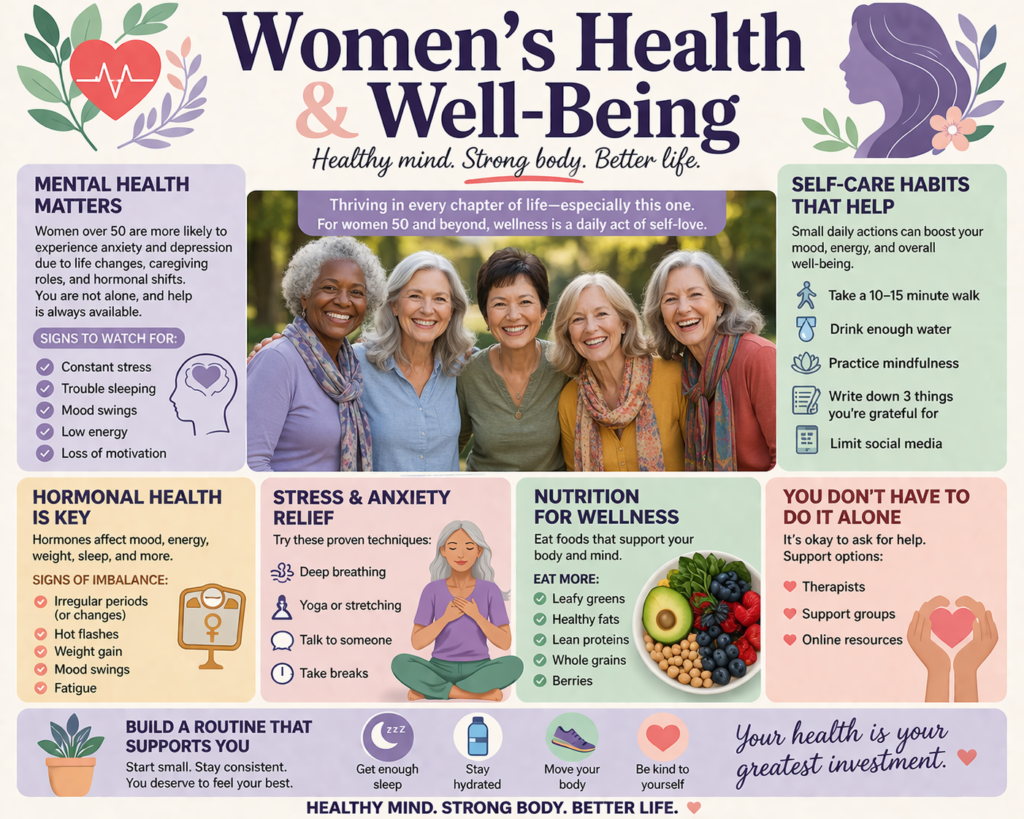
Hormones affect everything—from mood and energy to weight and sleep.
Signs of hormonal imbalance:
- Irregular periods
- Fatigue or brain fog
- Weight gain (especially around the abdomen)
- Anxiety or mood swings
Natural ways to support hormone balance:
- Eat whole foods (especially leafy greens and healthy fats)
- Get 7–9 hours of sleep
- Reduce sugar and processed foods
- Manage stress through relaxation techniques
💡 Hormonal health and mental health are deeply connected—taking care of one helps the other.
😌 Stress & Anxiety Relief Techniques
Chronic stress can impact both mental and physical health. The National Institute of Mental Health highlights stress as a major factor in anxiety disorders.
Try these proven techniques:
- Deep breathing (inhale 4 seconds, exhale 6 seconds)
- Light exercise like yoga or stretching
- Talking to someone you trust
- Taking breaks throughout the day
Even 5 minutes of intentional relaxation can reset your nervous system.
🥗 Nutrition and Women’s Wellness
What you eat directly affects how you feel.
Foods that support mental and physical health:
- Leafy greens (spinach, kale)
- Healthy fats (avocado, nuts, olive oil)
- Lean proteins (chicken, fish, beans)
- Whole grains
Avoid excessive:
- Sugar
- Processed foods
- Caffeine (if it increases anxiety)
🤝 When to Seek Help
There’s strength in asking for help. You don’t have to do everything alone.
Consider reaching out if:
- You feel overwhelmed most days
- Anxiety or sadness interferes with daily life
- You feel isolated or unsupported
Support options include:
- Licensed therapists
- Support groups
- Online mental health services
🌸 Building a Sustainable Wellness Routine
The key to long-term health isn’t perfection—it’s consistency.
Start small:
- Choose 1–2 habits to focus on
- Build a simple daily routine
- Track your progress weekly
💡 Over time, small changes create powerful results.
❤️ Time to go Real deep. Why Women’s Wellness After 50 Deserves Your Full Attention. Unlocking Better Health in Your 50s and Beyond.
Women’s health is personal, complex, and deeply important. Taking care of your mental and physical well-being isn’t selfish—it’s necessary.
You deserve to:
- Feel balanced
- Have energy
- Experience peace of mind
Start small. Stay consistent. And most importantly—be kind to yourself.
Wellness: Women’s Health & Well-Being After 50: Practical Ways to Improve Mental Health, Balance Hormones, and Feel Better Every Day. The Complete Guide to Women’s Health, Hormone Balance, Mental Wellness, and Healthy Aging After 50.
Women over 50 enter one of the most important stages of life—a time when physical health, emotional well-being, and hormonal changes become more closely connected than ever before. While menopause and aging can bring new challenges such as weight gain, sleep disturbances, anxiety, brain fog, and changing energy levels, they also provide an opportunity to prioritize self-care and build healthier habits that support long-term wellness. This comprehensive guide explores evidence-based strategies to improve mental health, support hormone balance, strengthen the heart and bones, boost brain function, manage stress naturally, and create a sustainable lifestyle that promotes healthy aging. Whether you’re navigating menopause, caring for loved ones, or simply looking to feel your best every day, these practical tips can help you take control of your health with confidence and embrace life after 50 with strength, vitality, and purpose.
🌺 Women 50 and Beyond: Thriving Through Midlife and Beyond
Turning 50 is not the beginning of decline—it’s the beginning of a new chapter. Many women discover greater confidence, stronger priorities, and a renewed appreciation for their health. However, this stage of life also brings unique physical, emotional, and hormonal changes that deserve attention.
As estrogen and progesterone naturally decline during perimenopause and menopause, many women notice changes in:
- Sleep quality
- Mood stability
- Energy levels
- Bone strength
- Heart health
- Memory and concentration
- Weight distribution
- Skin elasticity
- Joint comfort
While these changes are normal, they don’t have to define your quality of life. Healthy lifestyle habits can significantly improve overall well-being and reduce many common symptoms.
🌸 Understanding Menopause and Postmenopause
Menopause officially occurs after 12 consecutive months without a menstrual period. Most women experience menopause between ages 45 and 55, but the years before and after—known as perimenopause and postmenopause—often bring the greatest changes.
Common menopause symptoms include:
- Hot flashes
- Night sweats
- Mood changes
- Difficulty sleeping
- Vaginal dryness
- Decreased libido
- Weight gain
- Brain fog
- Joint aches
- Increased anxiety
These symptoms vary widely. Some women experience only mild discomfort, while others find symptoms disruptive enough to affect work, relationships, and daily activities.
The encouraging news is that many symptoms improve over time, especially with healthy nutrition, regular physical activity, quality sleep, and appropriate medical care when needed.
🦴 Protecting Bone Health After 50
One of the biggest health concerns after menopause is bone loss.
Lower estrogen levels accelerate the breakdown of bone tissue, increasing the risk of osteoporosis and fractures.
Many women don’t realize they have osteoporosis until they experience a broken bone.
Ways to strengthen your bones include:
- Weight-bearing exercises like walking
- Resistance training with weights or resistance bands
- Adequate calcium intake
- Vitamin D from sunlight or supplements if recommended
- Avoiding smoking
- Limiting excessive alcohol consumption
Simple activities such as gardening, dancing, hiking, or climbing stairs also help maintain bone strength.
❤️ Heart Health Becomes Even More Important
Heart disease is the leading cause of death among women worldwide.
After menopause, the natural protection provided by estrogen decreases, increasing the risk of:
- High blood pressure
- High cholesterol
- Heart attacks
- Stroke
Protect your heart by:
- Monitoring blood pressure regularly
- Keeping cholesterol under control
- Exercising at least 150 minutes each week
- Eating more fruits and vegetables
- Choosing healthy fats
- Maintaining a healthy weight
- Managing stress effectively
Small lifestyle improvements today can dramatically reduce cardiovascular risk in the years ahead.
🧠 Brain Health and Memory After 50
Many women experience “brain fog” during menopause.
You may notice:
- Forgetting names
- Misplacing everyday items
- Difficulty concentrating
- Slower recall
Hormonal changes, stress, poor sleep, and normal aging all contribute.
Support your brain by:
- Reading daily
- Learning new skills
- Doing puzzles
- Staying socially connected
- Exercising regularly
- Getting enough sleep
- Eating omega-3-rich foods
Keeping your brain active helps preserve memory and cognitive function as you age.
😴 Why Sleep Is Your Superpower
Poor sleep affects nearly every part of health.
Lack of quality sleep increases the risk of:
- Depression
- Anxiety
- Weight gain
- Diabetes
- High blood pressure
- Heart disease
- Memory problems
Healthy sleep habits include:
- Going to bed at the same time every night
- Keeping your bedroom cool and dark
- Avoiding heavy meals before bed
- Limiting caffeine later in the day
- Turning off screens at least one hour before bedtime
If persistent insomnia continues, talk with a healthcare professional.
💪 Strength Training Is One of the Best Investments You Can Make
Many women believe cardio is the key to staying healthy.
While walking and aerobic exercise are important, strength training becomes even more valuable after age 50.
Benefits include:
- Stronger bones
- Increased muscle mass
- Better balance
- Reduced fall risk
- Faster metabolism
- Improved posture
- Better blood sugar control
- Greater independence
Just two or three strength sessions each week can provide tremendous long-term benefits.
🥑 Anti-Inflammatory Foods That Support Healthy Aging
Inflammation contributes to many chronic diseases associated with aging.
Foods that naturally reduce inflammation include:
Fruits
- Blueberries
- Strawberries
- Cherries
- Oranges
Vegetables
- Broccoli
- Kale
- Spinach
- Brussels sprouts
Healthy Fats
- Salmon
- Walnuts
- Flaxseed
- Chia seeds
- Olive oil
Herbs and Spices
- Turmeric
- Ginger
- Garlic
- Cinnamon
Building meals around colorful whole foods helps nourish your body from the inside out.
😊 Emotional Wellness Is Just as Important as Physical Health
Many women spend decades caring for children, spouses, aging parents, coworkers, and friends.
After 50, it’s time to include yourself on that list.
Healthy emotional habits include:
- Setting healthy boundaries
- Saying “no” without guilt
- Spending time with supportive friends
- Practicing forgiveness
- Volunteering
- Exploring hobbies
- Spending time in nature
- Laughing often
Emotional health influences physical health more than many people realize.
🌞 Vitamin D: The Sunshine Vitamin
Vitamin D plays a vital role in:
- Bone strength
- Immune health
- Mood regulation
- Muscle function
Many adults—especially older adults—have low vitamin D levels.
Your healthcare provider can recommend testing if appropriate and advise whether supplementation is needed.
🚶 Why Walking May Be the Perfect Exercise
Walking is one of the safest and most effective exercises after age 50.
Benefits include:
- Better heart health
- Stronger muscles
- Improved balance
- Better mood
- Reduced stress
- Improved blood sugar
- Healthier joints
Aim for at least 30 minutes most days of the week.
Even three 10-minute walks each day provide meaningful health benefits.
👩⚕️ Health Screenings Every Woman Over 50 Should Know About
Preventive care becomes increasingly important with age.
Talk with your healthcare provider about recommended screenings, which may include:
- Blood pressure checks
- Cholesterol testing
- Diabetes screening
- Mammograms
- Cervical cancer screening (when appropriate)
- Colorectal cancer screening
- Bone density testing
- Vision and hearing exams
- Skin cancer checks
- Vaccinations, including influenza, shingles, pneumococcal, COVID-19, and tetanus boosters as recommended
Early detection often leads to better outcomes.
🌿 Creating a Wellness Routine That Lasts
Instead of trying to change everything overnight, build habits gradually.
A simple daily routine might include:
Morning
- Drink a glass of water
- Stretch for five minutes
- Eat a protein-rich breakfast
Afternoon
- Take a brisk walk
- Eat colorful vegetables
- Practice mindful breathing
Evening
- Read a book
- Limit screen time
- Write in a gratitude journal
- Go to bed at a consistent time
Consistency is more powerful than perfection.
💖 Healthy Aging Is About Living Well
Growing older is a privilege.
Women today are living longer than ever before, and many enjoy active, fulfilling lives well into their seventies, eighties, and beyond.
Healthy aging isn’t about looking younger—it’s about feeling stronger, thinking clearly, maintaining independence, and enjoying the people and experiences that matter most.
Every healthy choice you make today is an investment in the years ahead.
🌷 Final Encouragement
Your body has carried you through decades of life’s challenges and milestones. Now is the perfect time to care for it with the same compassion you’ve shown others.
Whether your goal is better sleep, more energy, improved mental health, stronger bones, a healthier heart, or simply feeling like yourself again, remember that meaningful change starts with small, consistent actions.
Every nutritious meal, every walk, every good night’s sleep, every moment of mindfulness, and every act of self-care moves you closer to a healthier, happier future.
You are never too old to become stronger, healthier, and more vibrant. Your best years can still be ahead of you.